
Patches
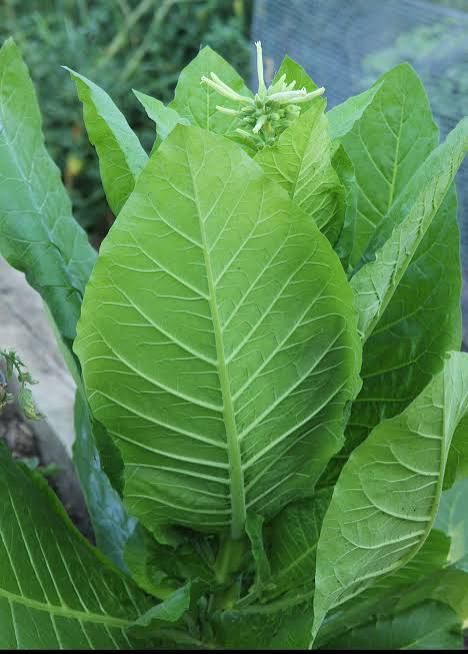
Then God said, “Let the earth bring forth vegetation: seed-bearing plants and fruit trees, each bearing fruit with seed according to its kind.” And it was so. 12 The earth produced vegetation: seed-bearing plants according to their kinds and trees bearing fruit with seed according to their kinds. And God saw that it was good.
Then God said, “Behold, I have given you every seed-bearing plant on the face of all the earth, and every tree whose fruit contains seed. They will be yours for food. 30 And to every beast of the earth and every bird of the air and every creature that crawls upon the earth—everything that has the breath of life in it—I have given every green plant for food.” And it was so.
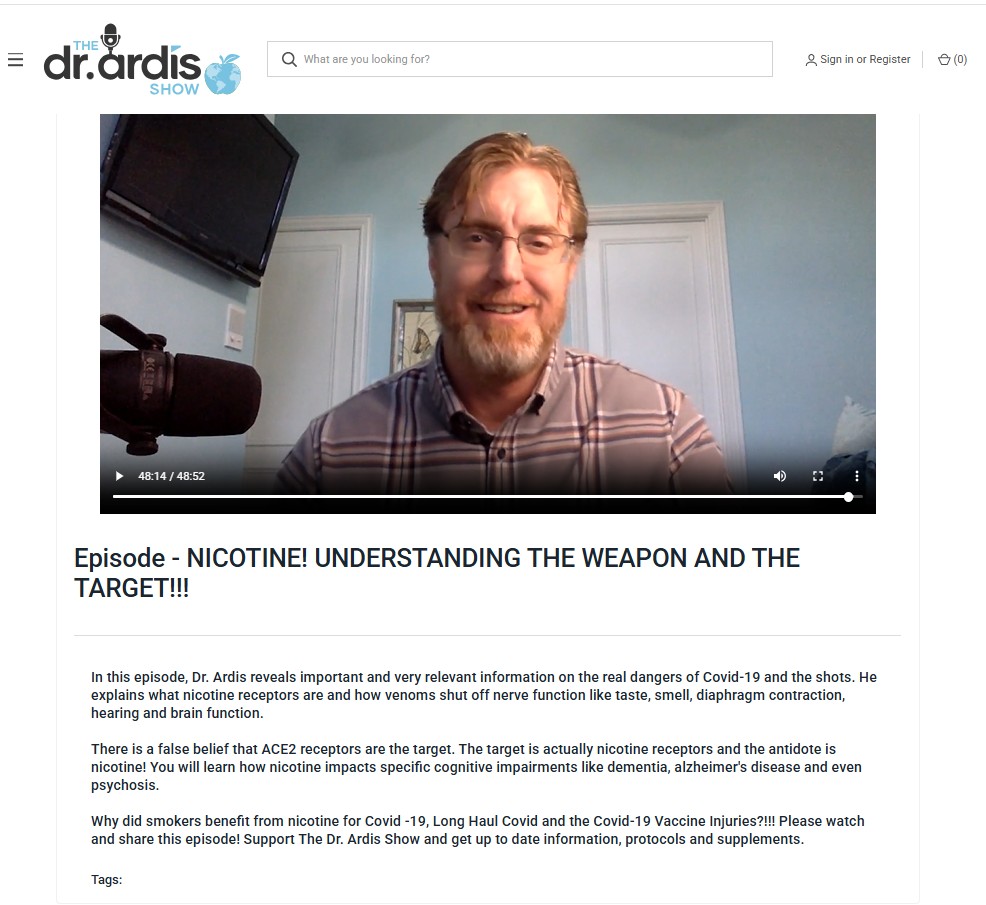
https://thedrardisshow.com/episode-nicotine-understanding-the-weapon-and-the-target
“Nicotine acidic choline receptors” combines terms from a few distinct concepts in biology and chemistry: nicotinic acetylcholine receptors (nAChRs), choline, and nicotinic acid.
Research on nicotinic acetylcholine receptors (nAChRs) and COVID-19 centers on how SARS-CoV-2 interacts with the nicotinic cholinergic system, particularly the α7 nAChR subtype, during both acute infection and Long COVID (post-acute COVID-19 condition).
Key Researchers and Milestones
- Jean-Pierre Changeux (Institut Pasteur): In 1970, Changeux and his team isolated and characterized the nicotinic acetylcholine receptor using a snake venom toxin from the many-banded krait (Bungarus multicinctus) along with electric organ tissue from Torpedo fish. This established the receptor as a model allosteric ligand-gated ion channel and later supported research into nicotine dependence. [1, 2, 3]
- France Tazieff-Depierre (Institut Pasteur): Working under Paul Boquet, she investigated how cobra (Naja nigricollis) venom causes paralysis, demonstrating that its α-toxin binds with high affinity to the acetylcholine receptor and that acetylcholinesterase inhibitors can counteract its paralytic effects. [1]
- Denis Servent, André Ménez, and Pierre-Jean Corringer (CEA-Saclay & Institut Pasteur): Through mutagenesis and binding studies on three-finger snake toxins (such as α-cobratoxin), they mapped which toxin residues govern high-affinity binding to muscle-type receptors versus neuronal α7 nicotinic receptors. [1, 2]